- Yoga State Daily
- Posts
- General Guide for Women’s Exercise and Nutrition
General Guide for Women’s Exercise and Nutrition
Strong, Balanced, and Nourished: A Woman’s Guide to Wellness

State FLOW
April 20, 2025
Introduction:
welcome this guide is designed to help women archive their fitness and nutrition goals through practical tips and advise . get comfy and settle in this guide is packed with tips so take your time and enjoy the read
Improving fitness and maintaining a healthy lifestyle requires a balanced approach to both exercise and nutrition. Women benefit from a mix of cardiovascular workouts, strength training, flexibility exercises, and core work to build overall fitness. Likewise, a healthy eating pattern rich in nutrients and timed to support activity helps maintain energy levels, fuel workouts, and promote overall health. This guide outlines a well rounded exercise routine and nutrition advice, including hydration, meal timing, portion control, and a sample weekly plan with workouts and meals.
Balanced Exercise Routine

Regular physical activity is crucial for women’s health and fitness. A well-rounded routine includes aerobic cardio exercise for heart health, strength training for muscle and bone strength, flexibility work for mobility, and core exercises for stability. Health guidelines recommend at least 150 minutes per week of moderate-intensity aerobic activity (e.g. brisk walking) plus muscle-strengthening on 2 days per week

You can mix moderate and vigorous activity and spread workouts throughout the week. Remember to start at an appropriate level for your fitness – even light activity helps if you’re a beginner – and gradually increase intensity and duration over time Below are the key components of a balanced routine:
Strength Training

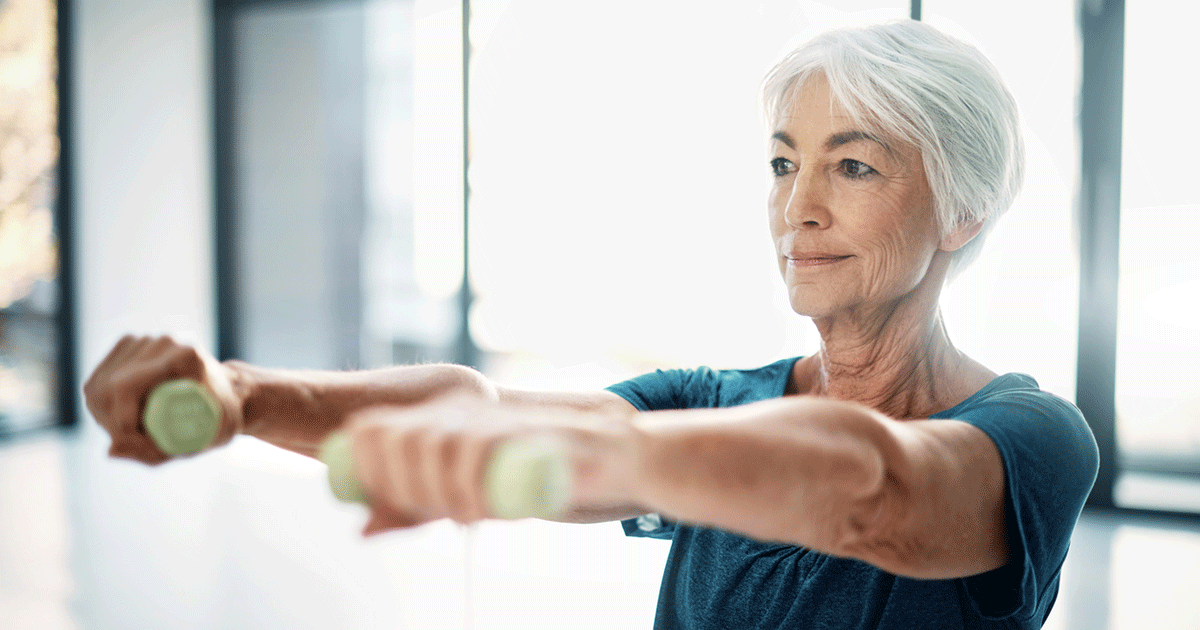
Strength or resistance training involves working your muscles against resistance (such as weights, resistance bands, or bodyweight exercises). Aim to include strength sessions at least 2 times per week, targeting all major muscle groups (legs, hips, back, chest, arms, core). This can be done on non-consecutive days to allow recovery. Benefits of strength training for women include building and toning muscle, increasing metabolism, and improving bone density. In fact, resistance exercises help “build better bones, keep the joints in proper alignment, ... and reduce the risk of injury” an important advantage for women, who are at higher risk of osteoporosis as they age.
Example Strength Exercises:

Squats or lunges (for legs and glutes); Push-ups or dumbbell chest presses (for chest and arms); Dumbbell rows or resistance-band pulls (for back); and shoulder presses or lateral raises (for shoulders). Bodyweight moves like triceps dips, planks, and wall-sits are also excellent. Start with light weights or just your bodyweight, focusing on proper form. Gradually increase the resistance or weight as you get stronger (the principle of progressive overload). Tip: Perform 2–3 sets of 8–12 repetitions per exercise. If you’re new, begin with one set and lighter weight, and add more as you gain strength. Don’t worry about “bulking up” women typically develop a lean, toned look from strength training. Prioritize consistency and good form to see steady improvements in muscle strength and endurance.
Cardio Workouts

Cardiovascular exercises (aerobic activities) raise your heart rate and breathing, improving your heart and lung health and helping burn calories. Aim for at least 150 minutes of moderate-intensity cardio per week, or about 30 minutes on most days. Activities like brisk walking, jogging, cycling, swimming, dancing, or group fitness classes are great options. Cardio exercise “gets your heart rate up and benefits your heart by improving cardiorespiratory fitness” It also boosts your endurance, helps manage weight, and can improve mood and energy levels through the release of endorphins.
Example Cardio Activities: Brisk walking or light jogging (outdoors or on a treadmill), cycling (stationary or outdoors), swimming laps, aerobic dance or Zumba, using the elliptical machine, or even playing sports like tennis or soccer. Choose activities you enjoy to make it easier to stick with them. If you’re a beginner, start with lower-impact options (like walking or cycling on a flat path) and shorter durations (10–15 minutes), then gradually lengthen your workouts or increase the intensity. For instance, you might start with a 15-minute walk and build up to 30–45 minutes over a few weeks. You can also incorporate interval training alternating higher-intensity bursts with easier pace – to improve fitness once you have a base level. Remember that every bit of movement counts: taking the stairs, short walks during breaks, or household activities can add to your daily cardio.
Flexibility and Mobility

Flexibility exercises involve stretching your muscles and moving your joints through their full range of motion. This component is often overlooked, but it’s important for preventing injury and maintaining ease of movement. Stretching regularly keeps muscles supple and can improve posture and balance. Activities that lengthen muscles “can help you prevent injuries, back pain, and balance problems” Aim to include flexibility or mobility work several times a week, ideally after workouts when muscles are warm, or as a standalone session (e.g. a yoga class).

Example Flexibility Exercises:
Static stretches (holding a stretch for 15–30 seconds) for major muscle groups after your workouts – for example, stretching your hamstrings, quadriceps, calves, chest, shoulders, and back. Yoga or Pilates classes are excellent for improving flexibility and core strength simultaneously; they also incorporate breathing and relaxation, helping to reduce stress. Simple yoga poses like downward dog, child’s pose, or gentle twists can be done at home to stretch multiple muscles. Foam rolling is another tool that can help relieve muscle tightness (though it’s technically more about muscle massage than stretching). Tip: Warm up before deep stretching – light cardio for 5–10 minutes will increase blood flow to muscles. Never stretch to the point of sharp pain (you should feel gentle tension). Over time, consistent flexibility training will help your body move more freely and comfortably in daily life and during other exercises.
Core Strength

The “core” refers to the muscles around your midsection including the abdominals, obliques, lower back, and deep stabilizing muscles. A strong core is fundamental to virtually all physical activities and to good posture. Core strength helps stabilize your spine, improves your balance, and can prevent lower back pain. In fact, your core muscles support everyday movements (bending, twisting, carrying) and athletic activities. Strong core muscles help you maintain good posture and balance, and weak core muscles are linked to a higher risk of back pain and injuries Incorporate core exercises 2–3 times per week. These can be short sessions (10-15 minutes) added after a cardio or strength workout, or a dedicated core workout.

Example Core Exercises:

Planks (holding a push-up position or forearm plank to engage deep core muscles), side planks (for obliques), bird-dog exercise (on hands and knees, extend opposite arm and leg to strengthen lower back and abs), bridges (lying on back, lifting hips to strengthen glutes and lower back), and various abdominal exercises like crunches or bicycle crunches. Pilates routines are also excellent for core conditioning, as are some yoga poses that require balance and core engagement. Tip: Focus on form rather than doing high reps – a properly performed 30-second plank, for example, is more effective than multiple sloppy crunches. Engage your abs during strength exercises as well; many compound movements (squats, push-ups, etc.) will work your core if you stabilize your torso. Over time, a stronger core will enhance your performance in other exercises and daily tasks.
Rest and Recovery

Don’t forget that rest is an essential part of a balanced fitness routine. Schedule at least 1–2 rest days per week to allow your body to recover and rebuild. Muscles actually get stronger during rest periods between workouts. Active recovery (light activities like walking, gentle cycling, or yoga) on off-days can help reduce soreness and keep you limber without straining your body. Adequate sleep (around 7–9 hours per night for adults) is also critical for recovery, hormonal balance, and stress management. Listen to your body: if you’re feeling very sore or fatigued, it’s okay to take an extra rest day or do a lighter workout. This helps prevent overtraining and injuries. Remember, consistency is key – it’s better to exercise moderately and stick with it long-term than to push too hard and burn out. When you combine regular exercise with proper recovery and nutrition, you’ll see steady improvements in strength, endurance, and overall fitness.
Healthy Eating for Energy and Fitness

Proper nutrition works hand-in-hand with exercise to achieve fitness and wellness goals. For women, a balanced diet provides the fuel needed to power through workouts and the nutrients needed for health and recovery. Key principles include eating a variety of whole foods (vegetables, fruits, lean proteins, whole grains, healthy fats), staying hydrated, and timing meals and snacks to support your activity level. A healthy eating pattern should emphasize nutrient-dense foods that maintain energy without excessive calories. The American Heart Association recommends an overall healthy dietary pattern “tailored to your personal and cultural preferences,” focusing on plenty of vegetables and fruits, whole grains, legumes, nuts, lean protein (fish, poultry, beans), low-fat dairy, and healthy oils, while limiting added sugars, highly processed foods, and saturated fats

In other words, aim for balanced meals that will stabilize your blood sugar and provide lasting energy. Below are guidelines on healthy eating for active women:
Balanced Diet Basics
Eating a balanced diet means getting a good mix of carbohydrates, proteins, and fats – the macronutrients that each play important roles – as well as vitamins and minerals. Here are the basics:
Complex Carbohydrates for Energy: Carbs are the body’s primary fuel, especially for cardio exercise. Include quality carbohydrates like whole grains (brown rice, whole-wheat bread or pasta, oats, quinoa), starchy vegetables (sweet potatoes, peas, corn), and fruits. These provide fiber and more steady energy compared to refined carbs. Before workouts, easy-to-digest carbs can help top up your energy (for example, a banana or a slice of whole-grain toast). During exercise, your body burns carbohydrates stored in your muscles, so it’s important to consume enough carbs daily. In fact, you burn a lot of carbohydrates – the main fuel for your muscles – when you exercise Choosing high-fiber, unprocessed carbs at meals will also keep you fuller longer and support digestive health.
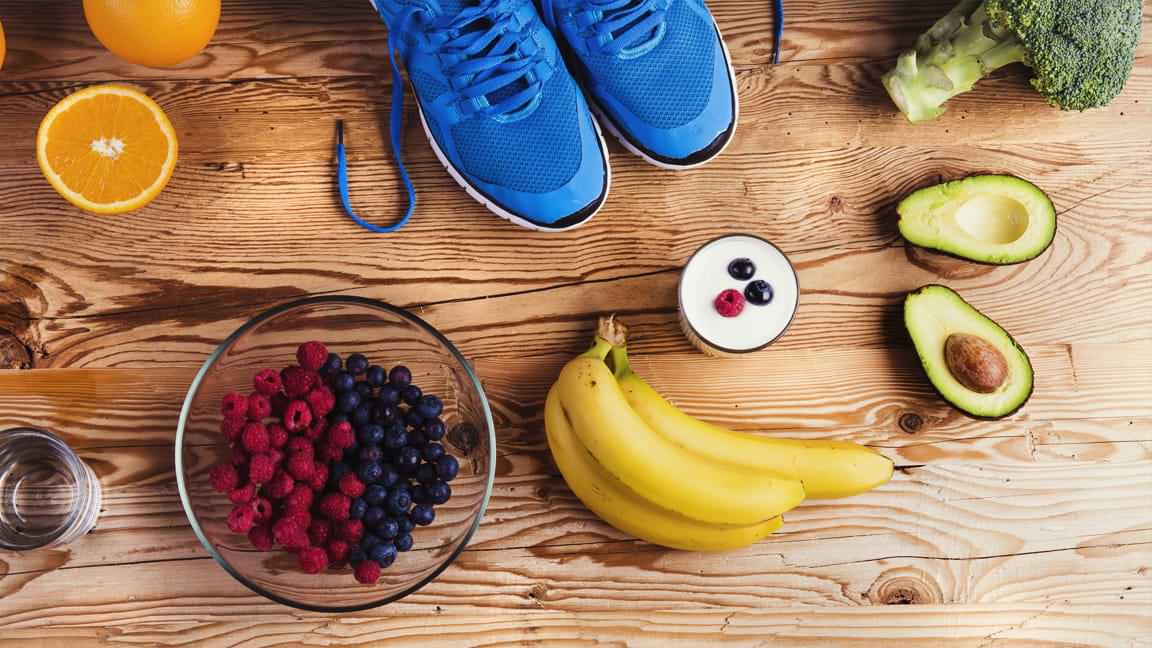
Lean Proteins for Muscle Repair: Protein is essential for repairing and building muscle tissue, and it also contributes to satiety (feeling full). Focus on lean protein sources such as chicken or turkey breast (skinless poultry), fish (rich in heart-healthy omega-3s), eggs, low-fat dairy (milk, yogurt, cheese), and plant-based options like beans, lentils, tofu, edamame, and nuts or seeds. Most women should aim to include some protein in each meal and snack, especially post-workout (more on timing below). For example, Greek yogurt, a handful of nuts, or hummus with veggies make good high-protein snacks. If you weigh 150 pounds (68 kg), you might target roughly 20–30 grams of protein per meal as a general guideline (needs vary by individual) Adequate protein throughout the day helps maintain muscle mass, which is important for metabolism and strength.
Healthy Fats for Nutrient Absorption and Satiety: Don’t shy away from healthy fats – they are vital for hormone production, absorbing fat-soluble vitamins, and keeping you satisfied. Prioritize unsaturated fats such as avocados, olive or canola oil, nuts (almonds, walnuts, cashews), seeds (chia, flax, pumpkin seeds), and fatty fish like salmon or tuna. These provide heart-healthy omega-3 fatty acids and have anti-inflammatory benefits. Limit sources of saturated fat (full-fat cheese, butter, fatty red meat) and avoid trans fats (found in some fried foods and packaged snacks). Fats are calorie-dense (9 calories per gram), so be mindful of portions, but including a small amount of healthy fat in meals (a drizzle of olive oil, a quarter of an avocado, a tablespoon of peanut butter) will help you feel full and provide essential nutrients. For instance, a salad with mixed veggies will be more satisfying and nutritious if you add a source of healthy fat like olive oil dressing or a few slices of avocado.
Fruits and Vegetables for Vitamins and Fiber: Make it a goal to fill half your plate with vegetables and fruits at most meals. These foods are rich in vitamins, minerals, and antioxidants that support overall health and exercise recovery. They also provide fiber, which aids digestion and helps regulate blood sugar. Vegetables (broccoli, spinach, carrots, bell peppers, zucchini, leafy greens, etc.) are low in calories but high in nutrients – eat a variety of colors to “eat the rainbow” and get a broad spectrum of micronutrients and phytochemicals. Fruits (berries, apples, bananas, oranges, etc.) are great for natural sweetness and important nutrients like vitamin C and potassium. They can also serve as healthy pre or post-workout snacks (e.g. a banana provides quick carbs, berries in a smoothie aid recovery with antioxidants). The main message is to focus on whole, minimally processed foods. By volume, most of your diet should come from veggies, fruits, and other whole foods, with smaller portions of high-calorie items. This approach gives you the nutrients your body needs to perform and recover, without excessive calories.
Key Micronutrients for Women: While eating a varied diet generally covers your vitamin and mineral needs, women should pay special attention to a few nutrients. Calcium (found in dairy, fortified plant milks, leafy greens, almonds) and vitamin D are crucial for bone health, which is supported further by strength training. Iron is another critical nutrient – it’s used to help carry oxygen in your blood, and not getting enough iron can cause fatigue
Women (especially premenopausal women) are at higher risk of iron deficiency, particularly if training hard. Include iron-rich foods like lean red meat (in moderation), spinach and other dark leafy greens, legumes, and fortified cereals. Pairing these with vitamin C-rich foods (citrus, berries, tomatoes) enhances iron absorption Other important nutrients include B vitamins (for energy metabolism) found in whole grains and proteins, and magnesium (in nuts, seeds, greens) for muscle function. A daily multivitamin isn’t a bad idea for active women, but it’s best to get nutrients from food. By focusing on balanced meals, you’ll naturally cover most of your micronutrient needs and keep your energy levels high.
Hydration

Staying well-hydrated is vital for energy, digestion, and exercise performance. Even mild dehydration can cause fatigue, headaches, or reduced workout capacity. Women should aim to drink fluids consistently throughout the day – a general guideline is about 2.7 liters (approximately 11 cups) of fluids per day for adult women

However, individual needs vary based on your activity level, climate (you’ll need more water in hot or humid conditions), and personal physiology. A simple rule of thumb: drink about half your body weight in ounces of water each day (for example, a 150 lb woman would target ~75 ounces, which is ~9–10 cups).
During the Day: Keep a water bottle with you as a reminder to sip regularly. Water is the best choice for hydration for most people. You can also include other beverages like herbal tea, or foods with high water content (fruits, veggies, soups) as part of your fluid intake. If you find plain water boring, try infusing it with lemon, cucumber, or berries for a hint of flavor. Limit sugary drinks like soda or too much fruit juice, as they add extra calories with little nutritional benefit. Coffee and tea in moderation can count toward hydration, though they have a mild diuretic effect (and watch out for excess caffeine or sugary add-ins).
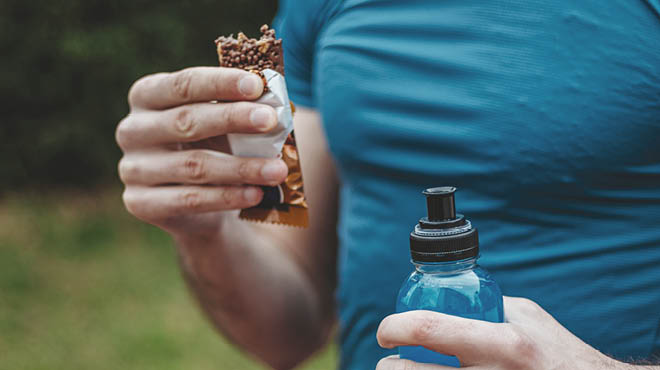
Around Workouts: Be sure to drink water before, during, and after exercise. Going into a workout already hydrated will help you perform better and prevent dizziness or cramps. For moderate workouts under an hour, plain water is typically sufficient. For longer or very intense workouts (over 60–90 minutes), you might consider a sports drink or electrolyte supplement to replace sodium and other electrolytes lost in sweat, but be mindful of the sugar content. A general approach is to drink ~1–2 cups (250–500 mL) of water in the hour before exercise, sip water every 15–20 minutes during exercise (especially if sweating heavily), and then drink at least 2–3 cups after exercise to rehydrate. Tip: Check your urine color as a quick hydration gauge – a pale lemonade color usually means you’re well-hydrated, while dark yellow urine is a sign you need to drink more

Signs of Dehydration: Thirst is actually a late indicator – if you feel thirsty, you’re already mildly dehydrated so it’s better to sip water consistently rather than waiting for thirst. Other signs of dehydration can include dry mouth, headache, fatigue, or reduced urine output. Inadequate hydration can impair your workout performance and even cognitive function. On the flip side, avoid overhydration (drinking far beyond thirst during exercise without replacing electrolytes), which can lead to low sodium levels. Balance is key: drink enough to not feel thirsty and to keep your body functioning optimally.
Meal Timing and Fueling Workouts

When you eat can be as important as what you eat, especially around your workouts. Proper meal timing helps maintain stable energy levels throughout the day and maximizes your exercise performance and recovery:
Don’t Skip Meals: Eating regular meals (and snacks as needed) keeps your blood sugar and energy steady. Many women find that three balanced meals a day with 1–2 healthy snacks works well. Start with breakfast to kick-start your metabolism and fuel your morning – even a light meal like whole-grain toast with peanut butter and a piece of fruit can make a difference in energy, especially if you exercise in the mornings. Skipping meals or under-eating can lead to low energy, cravings, and poor workout performance. To maintain an active lifestyle, make sure you’re giving your body enough calories and nutrients to meet its needs; very low-calorie fad diets can backfire by causing fatigue and muscle loss. It’s generally better to eat a bit more on very active days and slightly less on rest days, rather than chronically undereating.
Pre-Workout Fuel: For the best workout experience, try to eat a meal or snack in the window 1–3 hours before exercise (the timing depends on your digestion and the workout intensity). Exercising on an empty stomach can leave you low on energy – “not fueling up before you work out is like driving a car on empty”About 2 hours before a workout, aim to have some carbohydrates (to top off your energy stores) along with a little protein, and be well-hydrated For example, if you plan an afternoon workout, you might have a balanced lunch 2–3 hours prior (such as a turkey sandwich on whole-grain bread with veggies and an apple). If you’re working out first thing in the morning, you may not have time for a full meal – in that case, a small, easily digestible snack 30–60 minutes before exercise can help. Pre-workout snack ideas (about 30–60 minutes before): a banana or other piece of fruit (quick carbs), a small bowl of oatmeal, a yogurt, a smoothie, or a handful of trail mix. Choose something that gives you energy but isn’t overly high in fiber or fat, to avoid stomach discomfort. Everyone is a bit different in what they can tolerate – some people can have a small meal 1 hour before exercise, while others need 2+ hours. Experiment with what feels best for you. And always hydrate: drink water before starting your workout (e.g. a cup or two in the hour beforehand)
Post-Workout Recovery: After exercise, especially a strenuous workout, your body is primed to replenish energy and repair muscles. Try to eat within about 30–60 minutes after your workout for optimal recovery. This helps restock muscle glycogen (carb energy stores) and provides protein to repair muscle fibers. Waiting too long (over 2 hours) to eat after a tough workout can hinder recovery – it may “reduce your body’s ability to replenish nutrients by 50% A good recovery meal or snack should contain both carbohydrates and protein. Carbs help reload your energy and blunt cortisol (a stress hormone), while protein provides amino acids for muscle repair and growth. Aim for roughly 15–30 grams of protein post-workout to maximize muscle protein synthesis. Post-workout snack/meal ideas: Greek yogurt with berries and granola (protein + carbs), a smoothie made with fruit and protein powder or milk/yogurt, a peanut butter and banana sandwich on whole grain bread, a salad with chicken and quinoa, or a stir-fry with tofu, veggies, and brown rice. Even a chocolate milk is a classic recovery drink (providing a 4:1 ratio of carbs:protein). If it’s mealtime, have a balanced meal; if you won’t have a full meal soon, grab a snack within an hour and then a proper meal a bit later. Don’t forget to rehydrate after exercising – drink water and consider an electrolyte drink if you sweated a lot. Replenishing fluid and electrolytes (sodium, potassium, etc.) is part of recovery too
General Meal Structure: Many active women find it useful to eat every 3–4 hours (three meals plus snacks). For example, breakfast, lunch, and dinner with a mid-afternoon snack (and maybe a small post-dinner snack if hungry or if dinner was early). Align your carb intake with your activity – a bit more carbs before and after workouts, and a bit fewer when you’re inactive. Protein is best distributed across meals (rather than all at once) for the body to use it effectively. If you have an evening workout, make sure you had an afternoon snack so you’re not running on empty, then have a sensible dinner afterward. On less active days, you might need slightly fewer calories; on very active days or long workout days, you might need an extra snack or bigger portions. Listen to your hunger and fullness cues – they can guide you to adjust portion sizes. The goal is to neither be ravenously hungry (which can lead to overeating later) nor uncomfortably full during the day. By timing your nutrition well, you’ll feel energized for exercise and help your body recover and adapt to the training
Portion Control and Mindful Eating

Controlling portion sizes is important for maintaining a healthy weight and avoiding overconsumption of even healthy foods. With restaurant portions and plate sizes increasing over the years, many of us have a distorted sense of appropriate portions (sometimes called “portion distortion” Being mindful of portions doesn’t mean you have to meticulously count calories or go hungry – it’s about tuning into your body’s needs and making sure you’re eating the right amount for you. Here are some practical tips for portion control and mindful eating:
Use Visual Cues: You can use the “plate method” as a simple guide for balanced portions: fill half your plate with vegetables and fruits, one quarter with lean protein, and one quarter with whole grains or starchy foods. For example, half a plate of salad or roasted veggies, with a piece of grilled chicken (size of your palm) and a scoop of brown rice (about the size of your fist) makes a balanced meal. Visual cues can help estimate portions – e.g., a serving of protein about the size of a deck of cards or your palm (~3–4 ounces of meat), a serving of cooked grains or starches about the size of a baseball (1 cup) or a cupped hand (~½ cup for rice, pasta), and a serving of fat like butter or oil about the size of two dice (2 teaspoons). While you don’t need to measure forever, checking portions occasionally can recalibrate your sense of how much you’re eating
Serve Mindfully: Rather than eating straight from a large package, serve yourself a reasonable portion on a plate or bowl. Use smaller plates and bowls if you find that helps – a smaller plate can make a moderate portion look visually satisfying, whereas a large plate might make you unintentionally serve more Start with a modest serving; you can always go back for more if you’re truly still hungry. When eating snacks, put a handful of nuts or chips in a bowl instead of munching from the bag, to avoid mindlessly overeating. At meals, try to include plenty of low-calorie, high-volume foods (like veggies or a broth-based soup) which allow you to fill up without too many calories.
Eat Slowly and Listen to Your Body: It takes about 20 minutes for your brain to register fullness signals. Eating at a slower pace – chewing thoroughly, and pausing between bites – gives your body time to signal satisfaction. Try to minimize distractions (turn off the TV, put your phone aside) and focus on your food: notice the flavors and textures. This mindful approach can enhance enjoyment and prevent overeating. Stop eating when you’re comfortably satisfied, not when you’re stuffed. If you often eat quickly, practice putting your fork down between bites or taking a sip of water. You’ll likely find you’re full on less food when you eat attentively.
Plan Indulgences and Balance: Portion control doesn’t mean you can’t enjoy treats. If you want ice cream, have a small bowl and savor it, instead of a whole pint. If you love pasta, enjoy a portion alongside a big salad rather than a giant plate of pasta alone. By balancing heavier foods with lighter ones, you can enjoy your favorite foods in moderation. Also, pay attention to liquid calories – specialty coffee drinks, alcoholic beverages, sugary sodas, etc., can add up. You don’t have to completely avoid them, but consider them occasional treats and be mindful of their portion (for instance, a standard drink of wine is 5 ounces). Remember: The goal is not to be overly restrictive, but to give your body enough nutrition without consistently overeating. Portion control helps ensure you have energy for your workouts and daily life, while maintaining or gradually reaching a healthy weight.
In summary, pairing a smart exercise routine with nutritious eating will set you up for success. Next, let’s bring it all together with a sample weekly plan that combines various workouts and healthy meals.
Sample Weekly Workout and Meal Plan

Below is a 7-day plan integrating a balanced mix of workouts and example meals. This plan is suitable for a generally active woman; you can adjust the workout intensity or food portions to your own fitness level and dietary needs. The idea is to illustrate how you might schedule different types of exercise through the week and how to fuel your body each day. Each day’s entry includes the day’s workout and a sample menu with balanced meals and snacks.
Note: This is just one example – feel free to swap exercises or foods based on your preferences (e.g., if you don’t eat certain foods, substitute with similar alternatives). Always stay hydrated by drinking water throughout the day, especially around your workouts.
Monday:
Workout: Cardio + Core – 30-minute moderate cardio (e.g., brisk walk, jog, or cycling) + 10 minutes of core exercises (planks and glute bridges). If you’re a beginner, you might do a brisk walk; if more advanced, a light jog or an aerobics class. Finish with 5–10 minutes of stretching (especially legs and lower back).
Meals: Breakfast – Oatmeal made with milk, topped with berries and sliced almonds (for carbs, fiber, protein, and healthy fat). Lunch – Grilled chicken salad: mixed greens, cherry tomatoes, cucumber, chickpeas, and grilled chicken breast, drizzled with olive oil & vinegar dressing; a piece of fruit (like an orange) on the side. Dinner – Stir-fry with tofu (or lean beef strips) and a variety of veggies (broccoli, bell peppers, carrots) in teriyaki or garlic sauce, served over brown rice. Snacks – A mid-morning Greek yogurt for protein and calcium; carrot and celery sticks with hummus in the afternoon for extra veggies and protein. (Notes:) This day provides plenty of protein (chicken, yogurt, tofu), complex carbs (oats, brown rice, veggies), and healthy fats (almonds, olive oil). The cardio workout in the morning (if done in the morning) is supported by a hearty oatmeal breakfast; the core exercises help strengthen your midsection.
Tuesday:
Workout: Strength Training (Full Body) – About 40 minutes of strength exercises. Warm up 5 minutes (light cardio or dynamic stretches). Then do a full-body circuit: e.g., 3 sets of 10 squats, 3 sets of 10 push-ups (modify on knees if needed), 3 sets of 12 lunges (each leg), 3 sets of 12 dumbbell rows, and 3 sets of 15 glute bridges. Rest 1–2 minutes between sets. Focus on form; use weights that challenge you but allow all reps with good form. End with gentle stretching for worked muscles.
Meals: Breakfast – Two scrambled eggs (or egg whites) with spinach and tomatoes, and a slice of whole-grain toast with avocado spread. Lunch – Quinoa bowl with black beans, grilled veggies (zucchini, onion, peppers), and a dollop of Greek yogurt or salsa; include a small handful of walnuts for crunch and healthy fats. Dinner – Baked salmon fillet with lemon and herbs, a medium baked sweet potato, and steamed green beans (or asparagus). Snacks – A banana with a tablespoon of peanut butter mid-morning (good pre-workout snack if you do strength at lunch or after work); a small protein smoothie after the workout (blend milk, fruit, and protein powder or nut butter) to aid recovery. (Notes:) This day’s strength workout will deplete some energy stores, so the meals are protein-rich (eggs, beans, salmon) to support muscle repair, and contain quality carbs (whole grain toast, quinoa, sweet potato) to fuel and refuel muscles. The dinner provides omega-3 fats from salmon, supporting inflammation reduction and recovery.
Wednesday:
Workout: Active Recovery / Flexibility – This is a lighter day. Do 30 minutes of yoga, Pilates, or dedicated stretching. For example, you might follow a yoga video that focuses on flexibility and balance. Alternatively, take a rest day if you’re feeling sore – you could just go for a gentle 20-minute walk to get blood flowing. The goal is to let your body recover from two days of harder workouts.
Meals: Breakfast – A protein smoothie: blend almond milk (or regular milk) with a banana, a handful of spinach, frozen berries, and protein powder or Greek yogurt. This is light yet nourishing, good for a rest day or after gentle yoga. Lunch – Whole-grain wrap filled with tuna salad (use Greek yogurt or olive-oil mayo, mix in celery and herbs) and lettuce/tomato; on the side, have carrot sticks or cherry tomatoes. Dinner – Veggie stir-fry or curry with chickpeas (for protein) and mixed vegetables (like cauliflower, peas, and carrots) simmered in a light sauce, served over a small portion of brown rice or with a whole-wheat naan. Snacks – A small handful of mixed nuts and an apple in the afternoon; perhaps a cup of herbal tea and a few whole-grain crackers with cheese in the evening if you’re hungry. (Notes:) This day’s lighter workout means you might not need as many carbs, but it’s still important to eat well to fuel recovery. The smoothie and balanced meals provide protein (tuna, chickpeas, yogurt) and plenty of micronutrients (fruits and veggies). Yoga or stretching will help reduce muscle tightness and prep you for the next day.
Thursday:
Workout: Cardio Intervals + Core – 30-minute cardio session with some higher-intensity intervals. For example, if you’re jogging or cycling, include 4–5 short bursts of faster pace (say, 1 minute fast, 2 minutes easy, repeat). Alternatively, take a cardio dance or HIIT class. After cardio, do 5–10 minutes of core work (plank variations, bicycle crunches, or Pilates abs series). Cool down with stretching. This mix improves cardiovascular fitness and continues to strengthen your core.
Meals: Breakfast – Whole-grain English muffin with mashed avocado and a slice of lean ham or turkey, plus a side of berries. (This provides carbs, healthy fat, and protein to start the day.) Lunch – Grilled chicken (or tofu) Buddha bowl: a base of mixed greens and farro (or brown rice), topped with grilled chicken strips, roasted vegetables (e.g., brussels sprouts and butternut squash), and a tahini or lemon dressing. Dinner – Whole-wheat pasta primavera: pasta tossed with sautéed zucchini, broccoli, cherry tomatoes, garlic, olive oil, and shrimp (or chickpeas) for protein. Sprinkle with a bit of parmesan cheese. Snacks – Before the workout, if needed, have a small snack like a half cup of yogurt or a piece of fruit for quick energy. After the workout (if before dinner), maybe a chocolate milk or a few whole-grain crackers with hummus to tide you over until dinner. (Notes:) The interval cardio will really challenge your energy systems, so ensure you had a good dinner Wednesday and breakfast today. The meals focus on complex carbs (farro, whole-wheat pasta) to replenish glycogen, and lean protein (chicken, shrimp, ham) for muscle maintenance. Pasta in moderation is fine, especially when loaded with veggies and balanced with protein.
Friday:
Workout: Strength Training (Upper Body & Core) – 30–40 minutes. Focus on upper body today (since legs were worked on Tues). Exercises: 3 sets of 10 push-ups or bench presses (chest), 3 sets of 10 dumbbell rows (back), 3 sets of 12 shoulder presses (shoulders), 3 sets of 10 bicep curls and tricep extensions (arms). Incorporate core moves between sets (e.g., do a 30-second plank or 15 bicycle crunches between exercises as active rest). Finish with a few lower-body moves if you have time, such as bodyweight squats or calf raises, to keep legs active. Cool down and stretch arms, shoulders, chest.
Meals: Breakfast – High-protein oatmeal: cook oats with milk, stir in peanut butter for healthy fat, and add some sliced banana on top. This fuels you with carbs and protein for the morning and workout. Lunch -Turkey and avocado sandwich on whole-grain bread (turkey provides lean protein, avocado and whole grains give energy and nutrients). Add a cup of vegetable soup or a side salad to get veggies in. Dinner -Homemade burrito bowl: start with a base of brown rice (or cauliflower rice), add lean ground turkey or grilled fajita chicken, black beans, sautéed bell peppers and onions, lettuce, some salsa, and a sprinkle of cheese or a spoon of Greek yogurt as sour cream. (This is a balanced meal with protein, carbs, fiber, and flavor.) Snacks – A mid-morning Greek yogurt (if you didn’t include much protein at breakfast, this can help) with some blueberries. Post-workout in the afternoon, have a small protein shake or simply chocolate milk to recover. If needed, a piece of dark chocolate or a few almonds in the evening as a treat. (Notes:) End of the work week – the strength workout targets upper body and core, building strength for those muscle groups. The meals include plenty of protein (turkey, dairy, beans) to support muscle recovery. The burrito bowl is a fun yet healthy dinner, and you can modify portions based on your hunger (e.g., extra veggies, moderate amount of rice).
Saturday:
Workout: Flexibility + Light Cardio Start the weekend with a relaxing workout. Perhaps a 45-minute yoga class (in person or via video) focusing on flexibility, balance, and core strength. Yoga will stretch tight muscles, improve mobility, and also build strength in a gentle way. If you feel up to it, you can add a short light cardio session too – for example, a 20-minute casual bike ride or an easy swim, just for enjoyment. The emphasis today is on active recovery and flexibility.
Meals: Breakfast – Veggie omelet (made with 2–3 eggs or egg whites, spinach, mushrooms, and tomato) with a slice of whole-grain toast. This high-protein breakfast keeps you full and helps muscles recover from the week’s workouts. Lunch Big salad with mixed greens, cucumber, cherry tomatoes, chickpeas, and feta cheese; add quinoa or another whole grain if you want extra carbs. Drizzle with olive oil and balsamic dressing. A piece of fruit (like a pear) for dessert. Dinner Treat yourself to a healthy homemade pizza: use a whole-wheat pita or crust, top with tomato sauce, plenty of veggies (like bell peppers, mushrooms, spinach), and some grilled chicken or tofu and a moderate amount of mozzarella. Serve with a side of steamed or roasted veggies. Snacks A small handful of trail mix (nuts and dried fruit) during the day if hungry; perhaps air-popped popcorn or yogurt with honey in the evening if you watch a movie. (Notes:) Saturday’s lighter exercise means you’re mostly in recovery mode. The meals focus on vegetables and lean protein but also allow for a fun dinner. By making pizza at home, you control the ingredients and can keep it healthy and portion-controlled. The veggie omelet and salad provide lots of micronutrients (vitamins/minerals) to support your body. Enjoy the active rest day – flexibility work like yoga will help you feel rejuvenated.
Sunday:
Workout: Rest Day – Take a full rest day to let your body recover. You can certainly take a leisurely walk, do some gentle stretching, or play casually with your kids or pets – but no structured workout is needed unless you feel like some light activity. Use this day to recharge. This is also a good day to do weekly meal prep or plan the upcoming week’s meals and workouts.
Meals: Breakfast – Whole-grain pancakes or waffles (aim for recipes using oats or whole-wheat flour) topped with fresh fruit and a dollop of Greek yogurt, plus a drizzle of maple syrup. Side of turkey bacon or a protein smoothie to round it out. (Sunday brunch style but with a healthy twist.) Lunch Leftover-friendly meal: for example, if you have leftover chicken or veggies, toss them into a whole-grain pasta salad with a light vinaigrette. Or make a sandwich with leftover grilled veggies and hummus in a pita. Include some crunchy veggies on the side. Dinner Meal Prep idea: A hearty chili or stew using beans, lean ground meat (or soy crumbles), tomatoes, and veggies, served with a green side salad. This can cook in a slow cooker while you relax, and you’ll have leftovers for the next week. Alternatively, Sunday dinner could be grilled fish (like tilapia or cod) with lemon, a small portion of rice, and roasted vegetables – simple and healthy. Snacks If you’re indulging a bit on Sunday, keep portions reasonable. For instance, if you have a Sunday family dinner or dessert, enjoy it but balance it with lighter meals earlier. You might have some cut-up fruit with a spoon of almond butter as a snack, or a cup of green tea in the afternoon to stay hydrated. (Notes:) On rest days, your calorie needs might be slightly lower than on training days, but it’s also okay to have a more relaxed meal (like a pancake breakfast) as long as you’re mindful overall. By cooking a nutritious dinner with leftovers, you set yourself up for an easier time eating healthy during the busy weekdays. Use Sunday to also mentally rest lower stress is good for your health too.
Conclusion:
This sample week balances different workouts strength training to build muscle, cardio for endurance, flexibility for mobility, and rest for recovery along with wholesome meals timed to support those activities. Adjust the plan according to your schedule and preferences: consistency is more important than perfection. Over time, this balanced approach will help improve your fitness and maintain a healthy lifestyle. Remember to track how you feel you should have growing energy, improved strength, and a positive mood as you find the exercise and nutrition routine that works best for you. Stay hydrated, listen to your body, and enjoy the journey to better health!
References:
American Heart Association – Physical Activity Recommendations (adults should get 150 min/week moderate cardio + muscle strengthening 2 days/week)heart.org.
American Heart Association – What is Cardio? (cardio improves heart and lung fitness)heart.org.
HSS – Benefits of Strength Training for Women (strength training builds bone density, aligns joints, and prevents injury)hss.edu.
WebMD – Core Exercises for Women (strong core stabilizes your body, improves posture, and reduces back pain/injury risk)webmd.com.
Harvard Health – Benefits of Flexibility Exercises (stretching helps prevent injuries, back pain, and balance problems)health.harvard.edu.
American Heart Association – Healthy Eating Recommendations (diet rich in vegetables, fruits, whole grains, lean protein, healthy oils; limit processed foods and sugars)heart.org.
Mayo Clinic – Daily Water Needs (about 11.5 cups or 2.7 L fluids per day for women, more if active)mayoclinic.org.
American Heart Association – Fueling Before Exercise (fuel up 1–2 hours before with water and healthy carbs; if short on time, a piece of fruit ~5–10 min before exercise)heart.orgheart.org.
Mayo Clinic Health System – Post-Workout Nutrition (eat within 30 min to 2 hours after exercise; 15–30 g protein plus carbs to maximize muscle recovery)mayoclinichealthsystem.org.
Mayo Clinic – Portion Control (people tend to eat more when given larger portions, so be mindful of serving sizes to avoid overeating)mayoclinic.org.
Lovelace Health – Iron for Women (iron is essential to carry oxygen in blood; not getting enough can cause fatigue, which is common if women are deficient)lovelace.com.